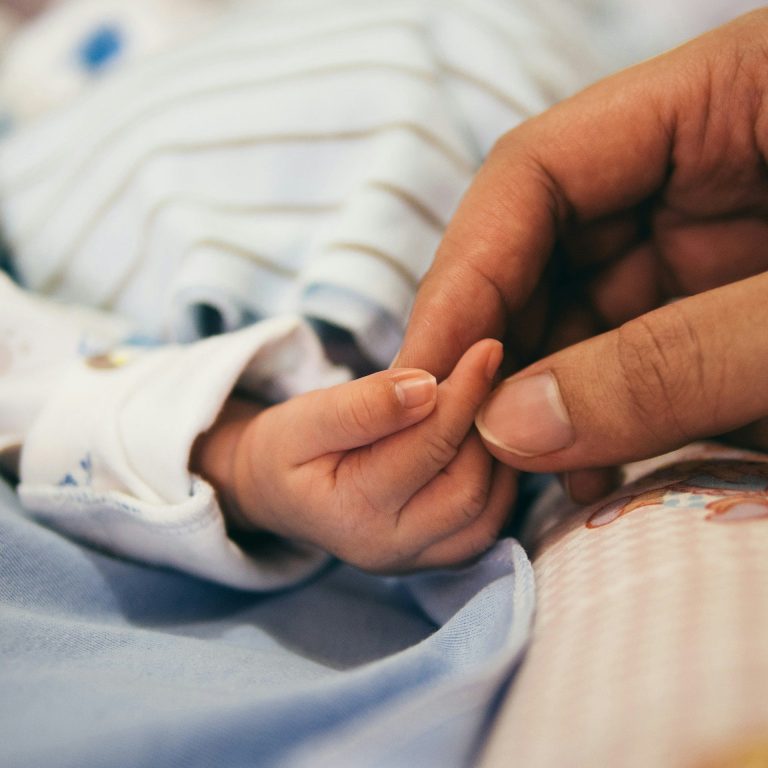
When a family doesn't “look” like a family: Challenging assumptions about race, adoption and belonging in Healthcare.
Why the way we see families matters, and why healthcare professionals need to look beyond appearance
Imagine walking into a hospital appointment with your child.
You check in at reception, sit beside them in the waiting room and answer the questions you have
answered countless times before.
Then someone asks:
“So, are you his mum?”
Perhaps it is asked with genuine curiosity.
Perhaps the person is simply trying to establish the relationship.
Perhaps they have noticed that you and your child do not share the same skin colour or physical
characteristics.
On the surface, it may seem like a harmless question.
But for a family who has experienced adoption, fostering, blended family life, donor conception, step-
parenting or simply has parents and children from different racial or ethnic backgrounds, these moments
can become surprisingly frequent.
And when they happen repeatedly, they can communicate something much bigger than the question itself:
‘You don't look like what we expected a family to look like’.
That is where we need to start having a different conversation about inclusion, because inclusive practice cannot simply mean recognising individuals.
We also need to recognise diverse and complex families.
What do we mean by family in the first place?
For generations, many of us have absorbed an unconscious image of what a family is supposed to look like.
Two parents and their biological children.
Perhaps everyone has the same surname.
Perhaps everyone shares similar features.
Perhaps the child “looks like” one parent or the other.
But real families do not fit neatly into one picture.
Families can be formed through birth, adoption, fostering, step-parenting, kinship care, donor conception, surrogacy and blended family relationships.
Parents and children may have completely different racial or ethnic backgrounds; a child may be adopted into a family whose ethnicity is different from their own.
A foster child may live with carers who do not share their racial or cultural identity.
A parent may be raising a child whose appearance is noticeably different from theirs.
None of these families are unusual.
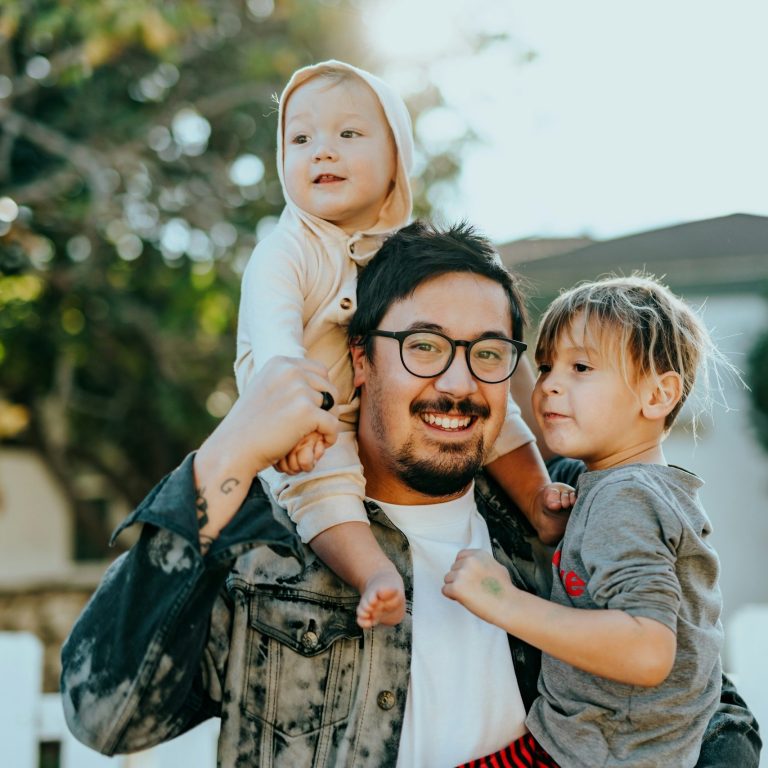
Yet the assumptions surrounding them can still be surprisingly persistent.
This becomes particularly important in healthcare because families often encounter professionals at moments when they are already vulnerable.
They may be frightened.
They may be exhausted.
They may be dealing with a diagnosis.
They may be attending an emergency department.
They may be trying to advocate for a child who cannot speak for themselves.
They may already feel that the healthcare environment is unfamiliar or intimidating.
The last thing they should have to do is prove that they belong to one another.
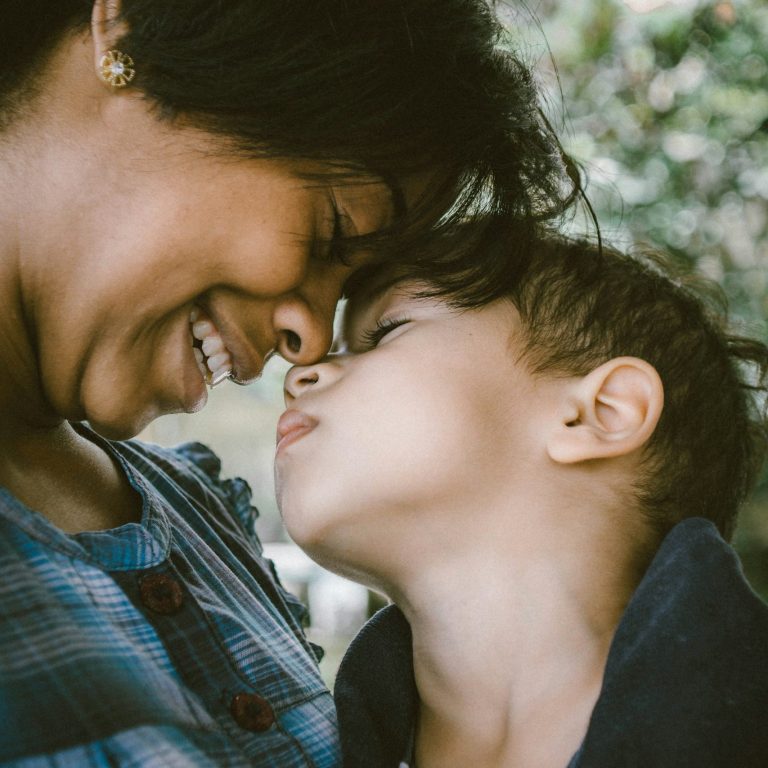
"Are you his mom?"
There is nothing inherently wrong with establishing who has parental responsibility or who is accompanying a child.
Healthcare professionals need to know who they are speaking to, who has consent, who should receive information and who is responsible for the child's care.
The issue is how we get that information.
When appearance becomes the starting point for the question, the family can suddenly feel as though their
relationship is being questioned.
There is a significant difference between:
“What's your relationship to the child?”
and
“Are you actually his mum?”
The first seeks information.
The second can imply that the professional has already noticed something that doesn't fit their expectations.
Sometimes the assumption goes in the opposite direction.
A person who is not the parent may automatically be treated as though they are.
A foster carer may be assumed to be the child's mother.
An adoptive parent may be mistaken for a sibling.
A Black father may be treated as though he is the child's support worker.
A white parent accompanying a child of colour may be assumed to be a foster carer.
A person may be asked to explain their relationship while another family member is simply assumed to be
the parent.
These experiences may only take seconds, but they can stay with people for years.
When curiosity becomes intrusive
Most people do not wake up intending to make assumptions about another family. In fact, many comments come from a place of genuine curiosity.
Someone might say:
“Oh, she's beautiful. Where is she from?”
Or:
“Does she have your eyes?”
Or:
“Is she adopted?”
Or:
“Are you her real mum?”
The person asking may not intend any harm.
But intention and impact are not always the same thing.
A question can be well-intentioned and still be intrusive.

The more frequently a family is asked similar questions, the more exhausting those questions can
become.
There is also an important distinction between being interested in someone's family and expecting that
family to explain itself.
A family should not have to provide its personal history simply because it does not visually fit somebody else's expectations.
In healthcare, this becomes even more important.
A child's adoption status, family history, birth circumstances or ethnic heritage may be highly personal
information. It should not become casual conversation simply because someone's appearance has prompted a
question.

Adoption adds another layer
For adopted children, questions about identity and belonging can already be complex.
Children may be exploring where they came from, their birth family, their history, their culture and their place within their adoptive family.
For children who are adopted across racial or ethnic lines, there can be additional considerations around
racial identity, cultural identity and experiences of racism.
First4Adoption's First Steps resources recognise the importance of helping children understand and
embrace their racial and cultural heritage. They note that children separated from their birth families may
need support in maintaining a connection with their cultural, racial, religious and linguistic heritage as part
of developing a positive sense of identity and belonging.
This is not simply about teaching a child about food, festivals, clothing or language.
It is about helping a child develop a secure understanding of who they are.
And that understanding does not exist separately from the world around them.
Children notice when people stare.
They notice when someone asks their parent whether they are “really” their child.
They notice when their family is treated differently.
They notice when strangers make assumptions.
They notice when people seem surprised by the person who comes to collect them from school or attends
their medical appointments.
For an adopted child, particularly one who is growing up in a family of a different racial or ethnic background, these experiences can potentially reinforce a question that may already exist:
“Where do I belong?”
That is why the seemingly small interactions matter, the child is watching too.
It is easy to think that an awkward question is simply an adult-to-adult interaction, but children are often present, and children learn from what happens around them.
Imagine being a child whose parent is repeatedly asked:
“Are you adopted?”
“Is that your mum?”
“Where did you get her from?”
Even if nobody says anything overtly negative, the child may begin to understand that other people see
their family as different.
Difference itself is not the problem.
A child's racial, ethnic and cultural identity should never be treated as something that needs to be hidden or
explained away.
The problem is when society communicates that one version of family is normal and other families require
an explanation.
Healthcare is particularly important
Healthcare professionals are often in a position of trust.
Families may see the same professionals repeatedly over many years.
A child might encounter health visitors, GPs, paediatricians, nurses, therapists, dentists, pharmacists, reception staff, hospital consultants and countless other professionals within a healthcare setting.
Every interaction contributes to the family's experience of whether healthcare feels like a place where they are understood and respected.
That means inclusion needs to go beyond posters on the wall, translated leaflets or diversity training.
It needs to appear in the ordinary interactions.
Who do we assume the parent is?
Who do we direct our questions to?
Who do we expect to have the answers?
Who do we assume has parental responsibility?Who do we speak to when the child is present?
Do we make assumptions about biological relationships?
Do we ask questions about ethnicity because they are medically relevant, or simply because we are
curious?
And perhaps most importantly:
Do we notice when our assumptions are based on appearance?

The danger of good intentions
One of the most difficult aspects of this conversation is that many people making these assumptions. genuinely believe they are being friendly.
They may think they are showing interest.
They may believe they are making conversation.
They may think they are complimenting a child.
They may simply be curious.
But good intentions should not become an excuse to stop listening to the impact of our behaviour.
Inclusive practice asks us to become comfortable with the possibility that we may not always realise when we have made an assumption.
That does not mean professionals should be frightened of speaking to families.
It means we should become better at asking questions without embedding an assumption within them.
Instead of:
“Is she adopted?”
try:
“How can I help you today?”
Instead of:
“Are you his mum?”
try:
“What's your relationship to the child?”
Instead of:
“Where is she really from?”
...remember that the question may not be relevant at all.
And when ethnicity or cultural background genuinely matters to the child's healthcare, ask respectfully and
explain why the information is relevant.
Context matters!
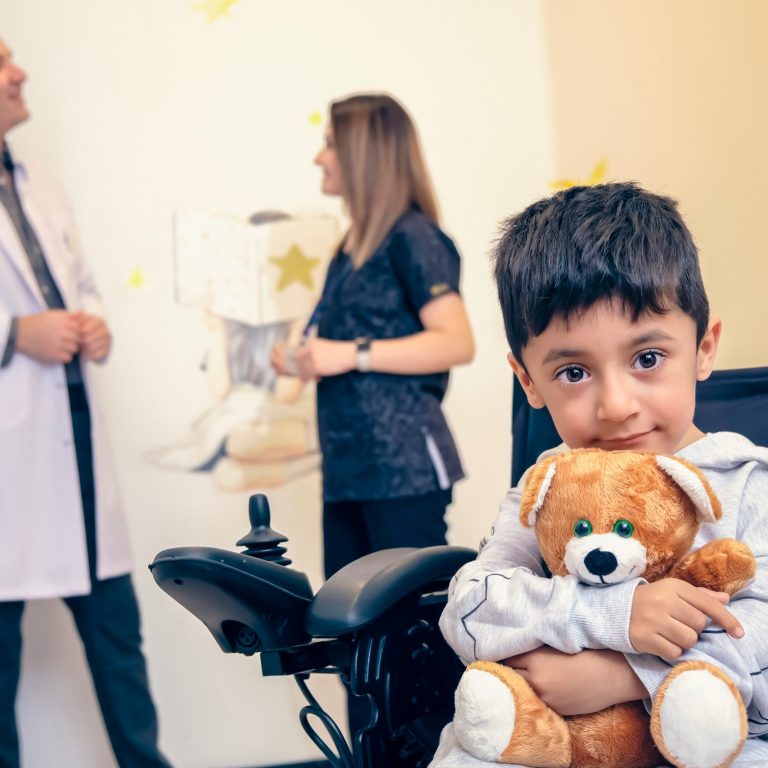
"But how do we know who the parent is?"
This is a reasonable question.
Healthcare professionals have legitimate reasons for establishing relationships and parental responsibility, especially if they are investigating conditions that may be hereditary.
The answer is not to ignore family relationships, it is to establish them without relying on racial or physical assumptions.
A simple, neutral question can do this.
For example:
“Could you tell me your relationship to the child?”
Or:
“Who has parental responsibility?”
Or:
“Who would you like us to involve in discussions about your child's care?”
These questions are useful because they work for every family.
They do not single out families who look different.
They also avoid putting professionals in the position of trying to decide who “looks like” a parent.
Professionals don't have to know everything!
One of the biggest barriers to inclusive practice can be the fear of getting something wrong.
A professional may think:
“I'm worried I'll say the wrong thing.”
So they avoid the subject altogether.
But avoiding conversations about race and identity can sometimes be just as unhelpful as approaching
them clumsily.
Professionals do not need to know every culture, every tradition or every experience.
They do need to be willing to listen.
They can say:
“I want to make sure we're supporting your child's cultural and identity needs appropriately. Is there
anything important you'd like us to understand?”
That simple question can open a much more meaningful conversation, it also places the family in the position of being listened to rather than examined.
Transracial adoption: looking beyond the photograph
Transracial adoption brings many of these issues into sharper focus.
CoramBAAF and its partners have developed the AFDiT — Anti-racist Framework for Decision-Making
in Transitioning Children from Minoritised Racial and Ethnic Groups into Transracial Adoptive Families.
The framework is intended to support professionals in understanding, addressing and protecting the identity
needs of racialised and minoritised ethnic children moving into transracial adoptive families. It was co-created with professionals and people with lived experience of transracial adoption.
That is important because supporting a child through transracial adoption is not simply about finding a loving family.
Love is fundamental.
But love does not remove racism.
Love does not automatically provide cultural knowledge.
Love does not mean a child will never experience questions, comments or discrimination about their appearance.
And love does not mean that an adoptive parent automatically understands an experience of race that they
have never personally lived.
Good support therefore requires something more:
curiosity, humility, preparation, listening and a willingness to learn.
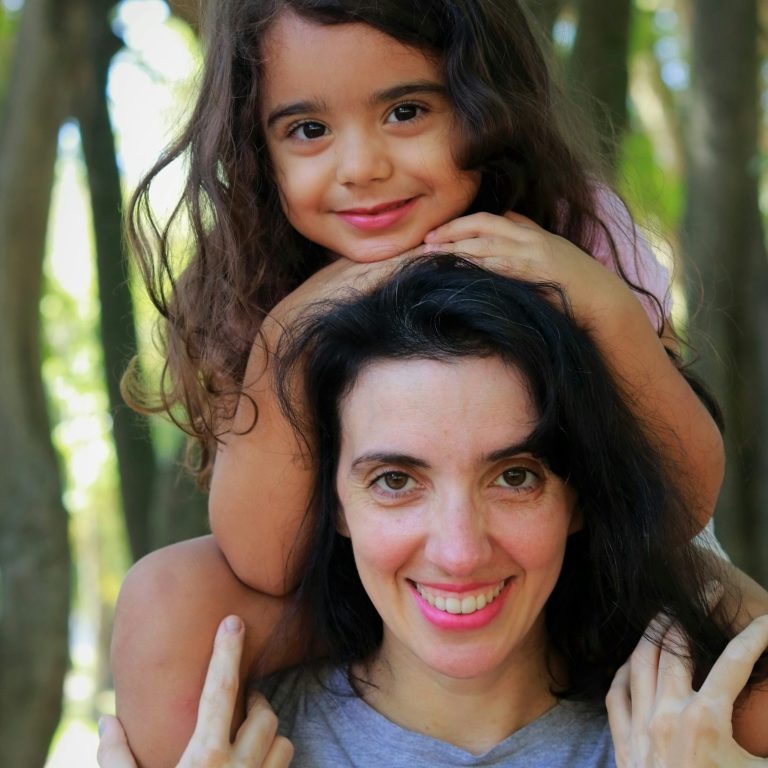
Families should not have to educate every professional they meet
There is another important point here.
Families from minority ethnic backgrounds, interracial families and transracial adoptive families can find
themselves repeatedly explaining things that other families never have to explain.
They may become accustomed to correcting assumptions.
They may explain adoption.
They may explain cultural practices.
They may explain their family structure.
They may explain why a particular question is inappropriate.
They may explain their child's identity.
And they may do it again.
And again…
And again.
This is emotional labour.
Inclusive practice should not depend entirely on the patience and willingness of individual families to
educate the professionals caring for them.
Organisations have a responsibility to build knowledge into their systems.
01
Stop using appearance as a shortcut
Don't assume who the parent is based on skin colour, facial features, age or gender.
Ask everyone the same neutral questions when information is genuinely required.
02
Think about family diversity when designing services
When reviewing forms, posters, websites, patient information and staff training, ask:
“What types of families are represented here?”
If every image shows parents and children who look genetically related, the organisation may unintentionally reinforce a very narrow definition of family.
03
Train staff to recognise assumptions
Equality training should include family structures, not just individual characteristics.
All staff should have opportunities to consider how race, adoption, fostering and family identity crossover.
04
Don't turn curiosity into clinical conversation
If information isn't relevant to the child's care, there may be no reason to ask.
A child's ethnicity should not become a conversation simply because they look different from the adult accompanying them.
05
Give children a voice
As children grow, they should be involved in conversations about their own healthcare in an age-appropriate way.
They should not be spoken about as though they are absent; particularly when the conversation concerns their identity.
06
Listen when families tell you something isn't working
If a parent says:
“People keep assuming I'm not his mum.”
Don't dismiss it as oversensitivity.
Listen.
Ask what would make the experience better.
Then consider whether there is a wider organisational issue that needs addressing.

A family should not need to match a picture
Perhaps the most powerful thing healthcare professionals can communicate is very simple:
We recognise your family.
We respect your role.
We see your child as an individual.
We don't need you to explain why your family looks the way it does.
For an adopted child, a transracial family, a foster family, a blended family or an interracial family, those messages can matter enormously.
Because belonging isn't created by everyone looking the same, it is created when people are allowed to belong without having to justify their place.
And perhaps that is what genuinely inclusive healthcare should look like.
Not simply asking whether everyone can access the service.
But asking whether, when they walk through the door, they feel that the service recognises them as a
family.
Further resources
For professionals and families wanting to explore this subject further:
CoramBAAF – Ethnicity and adoption resources
CoramBAAF provides resources on race, ethnicity, racial identity and transracial adoption, including the
AFDiT framework and material for practitioners working with children and families.
First4Adoption – Identity, Heritage and Culture
First4Adoption's First Steps programme explores identity, heritage and life-story work and provides
resources for prospective adopters considering how to support a child's racial and cultural heritage.
First4Adoption – Common misconceptions about adoption
First4Adoption specifically addresses the misconception that someone cannot adopt a child from a different
ethnic background and highlights the importance of supporting children's cultural and ethnic heritage.
A final question for organisations
The next time a family walks into your service, ask yourself:
Would we make the same assumptions about this family if everyone in it looked the same?
If the answer is no, there may be an opportunity to change something.
Not because every awkward interaction is intentional.
But because inclusive practice is not only about what we intend to communicate. It is also about
what families experience.
About the author:
Jo is an adoptive mum raising a child whose racial and ethnic background is different from her own.
Like many families formed through adoption, fostering, step-parenting and other routes, theirs does not always fit the picture people instinctively expect a family to look like.
That has meant experiencing the questions, glances and assumptions that can come when a parent and child do not share the same skin colour or physical characteristics.
In this piece, Jo reflects on what those seemingly small interactions can communicate to children and families, particularly in healthcare, and asks a simple but important question:
What would change if we stopped assuming what a family should look like?
TL;DR Families do not have to look alike to belong together.
For adoptive, foster, blended, interracial and transracial families, everyday assumptions about who the parent is, or questions driven simply by appearance, can make families feel that they have to explain or prove their relationship.
In healthcare, where families may already be frightened, exhausted or vulnerable, those moments matter.
The answer is not to avoid asking necessary questions. It is to ask them neutrally and consistently: “What’s your relationship to the child?” rather than making an assumption first.
Inclusive practice means recognising that family diversity is normal, questioning the assumptions we bring into an interaction and ensuring that every family feels recognised, respected and able to belong without explanation.
Want to understand how inclusive your service really feels?
Policies and intentions only tell part of the story. The people using your service can tell you what the experience is actually like.
DiversitiQ works with healthcare, public sector and community organisations to bring lived experience into service improvement through inclusive research, qualitative interviews, community engagement, service evaluation and accessibility reviews.
We can help you explore questions such as:
- Do families with different structures and backgrounds feel recognised and respected?
- Are assumptions within everyday interactions creating unintended barriers?
- Do your policies, communications and services reflect the people who actually use them?
- What are patients, parents, carers and communities experiencing that your existing data may not show?
Through independent research and lived-experience engagement, we help organisations move beyond assumptions, understand what is happening in practice and turn those insights into realistic improvements.
If you want to understand how your service feels to the people experiencing it, talk to DiversitiQ about a lived-experience research or inclusive service review.